Description
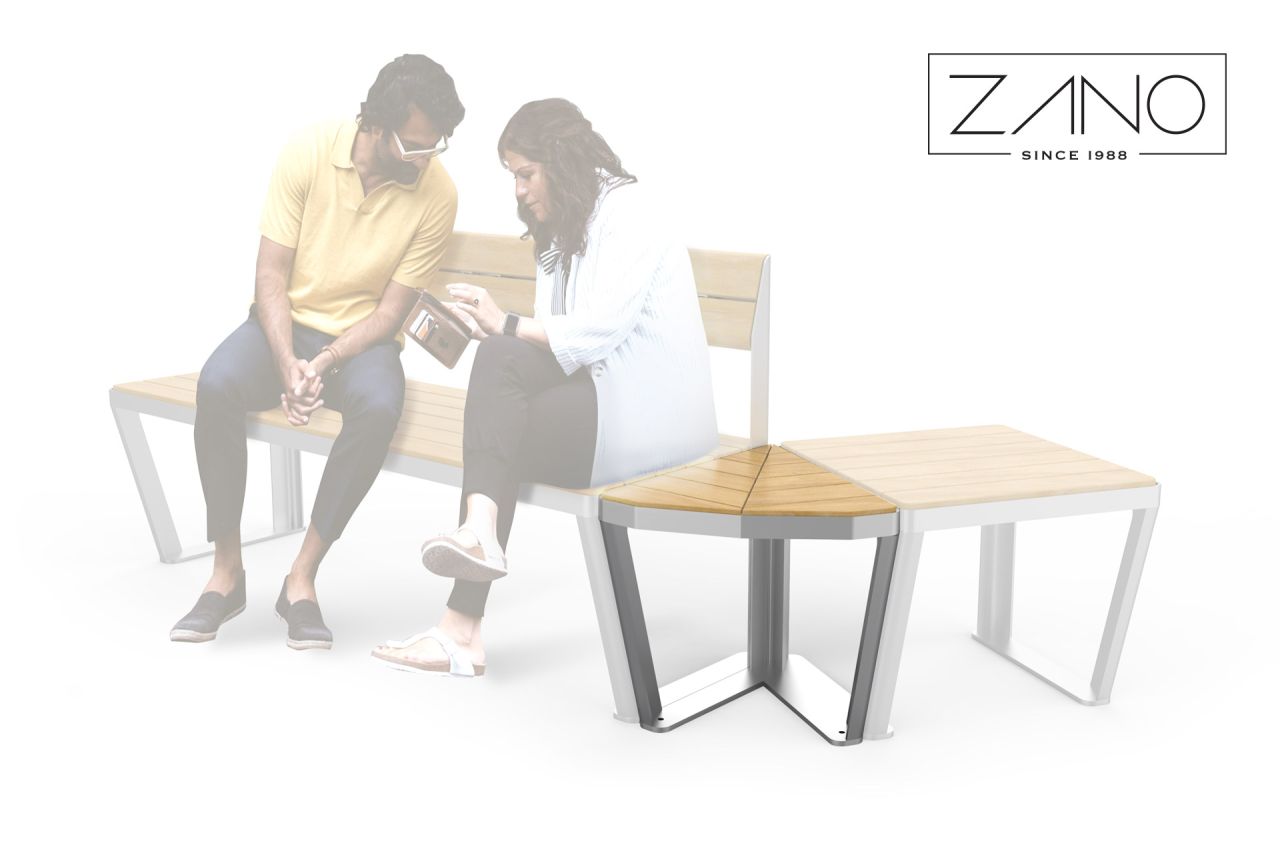
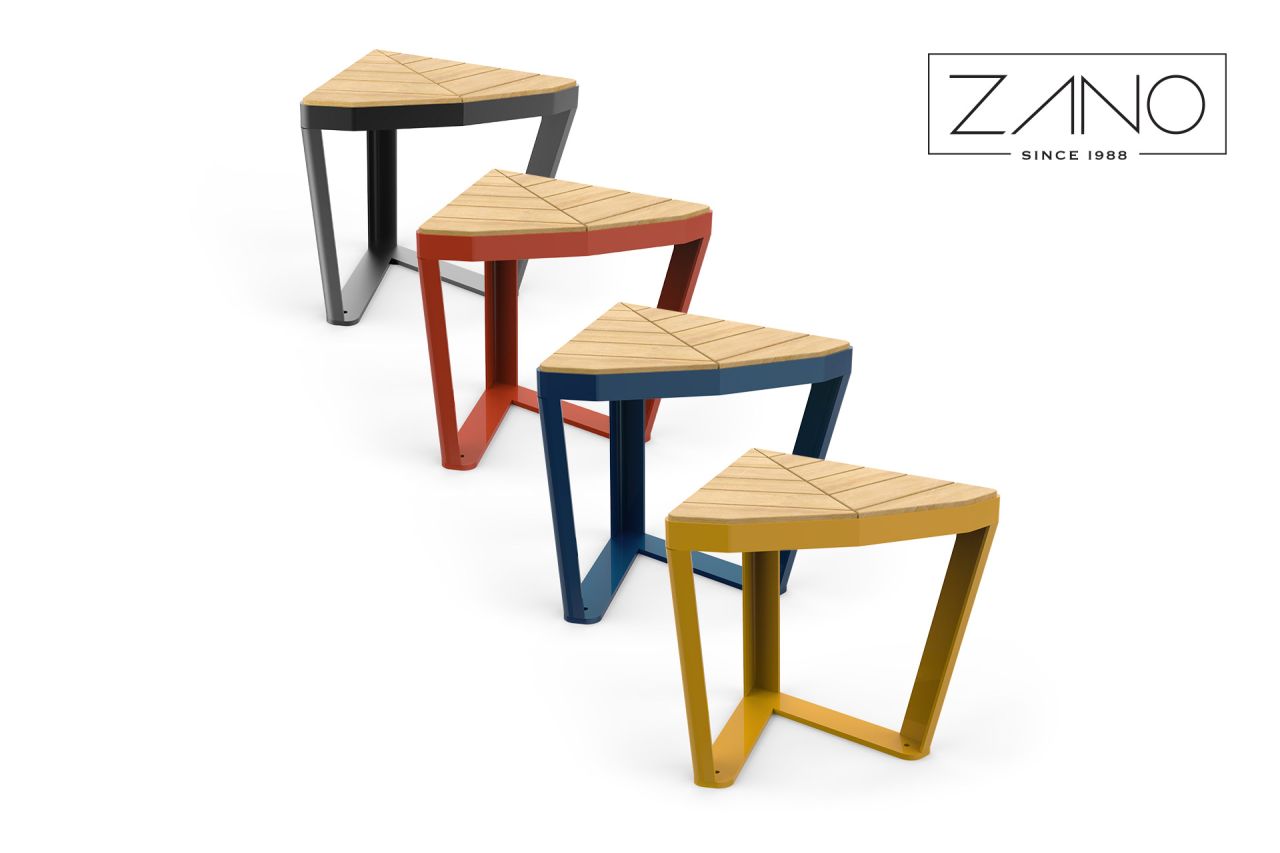
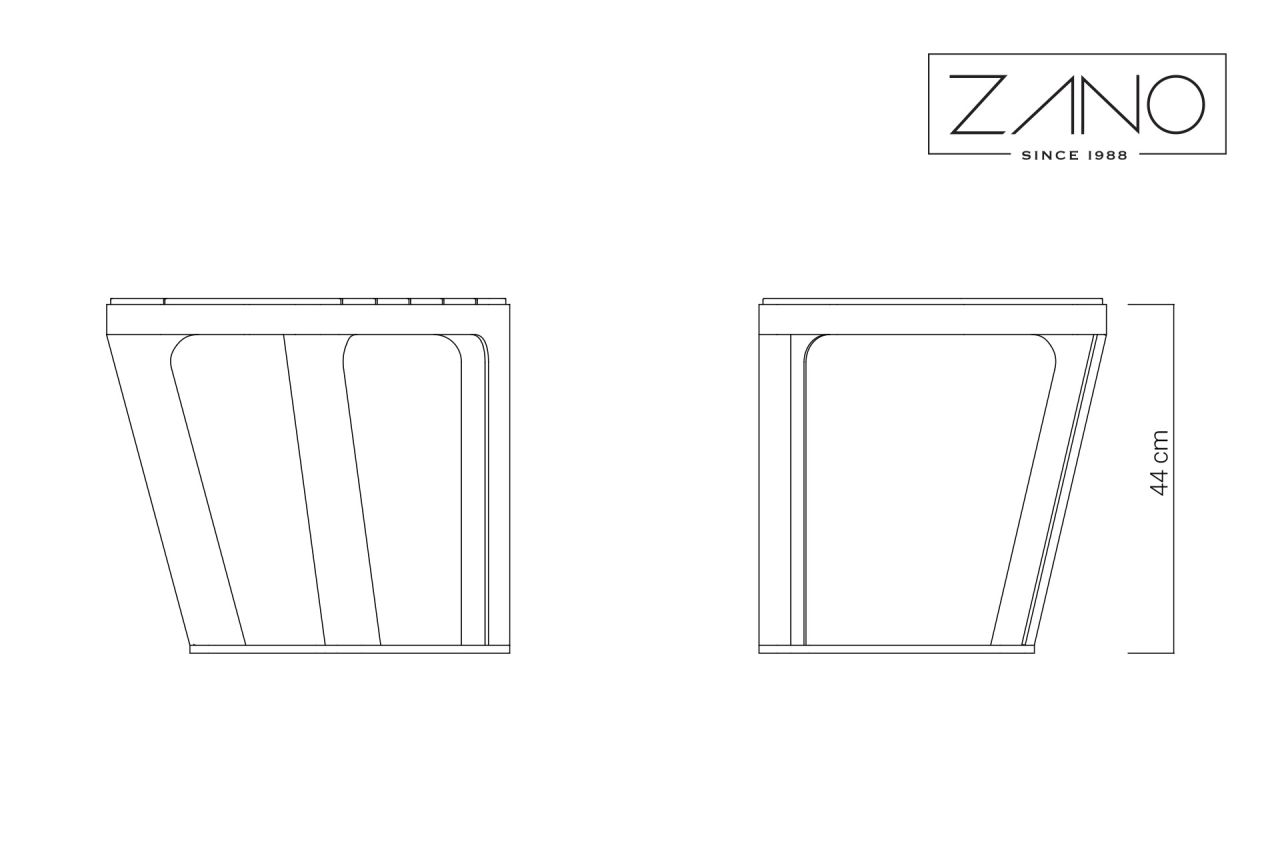
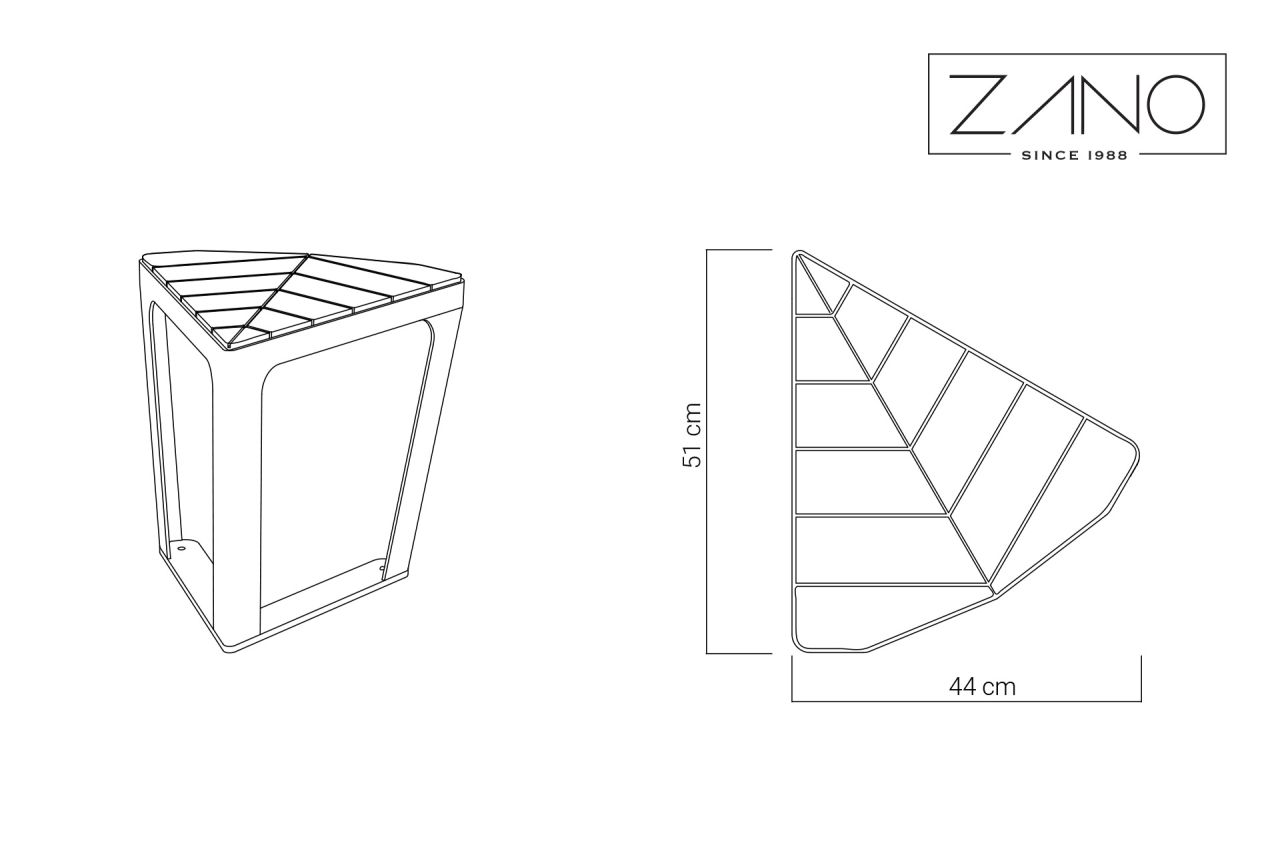
The Scandik Seat 60° (02.146.3), designed by Iwona Żaczek, represents a sophisticated approach to modular urban furniture. As a key element of the Scandik product line, this single-seat unit is engineered to provide versatile seating solutions for contemporary public spaces. Characterized by a minimalist, backless geometry, the bench serves as an essential component for creating custom seating arrangements in parks, plazas, and transit hubs. Its compact dimensions, measuring 44 cm in width, 44 cm in height, and 52 cm in depth, allow for flexible layout configurations, enabling designers to integrate the units into diverse architectural environments where efficient street furniture is required.
Durability and structural integrity are central to the Scandik 60° design. The construction is available in either high-quality carbon steel (S235JR) or premium stainless steel (AISI 304), ensuring resistance to environmental factors and heavy public use. The seating surface offers extensive customization to align with specific aesthetic and functional requirements. Clients may select from durable soft wood, oil-finished hard wood, hardwood of European origin, or premium hard wood. Additionally, the seat can be specified in carbon steel, stainless steel, or HPL, providing further versatility for high-traffic areas. The robust mounting system, which utilizes bolting to a concrete foundation, ensures that the unit remains securely anchored, maintaining its position within any benches arrangement.
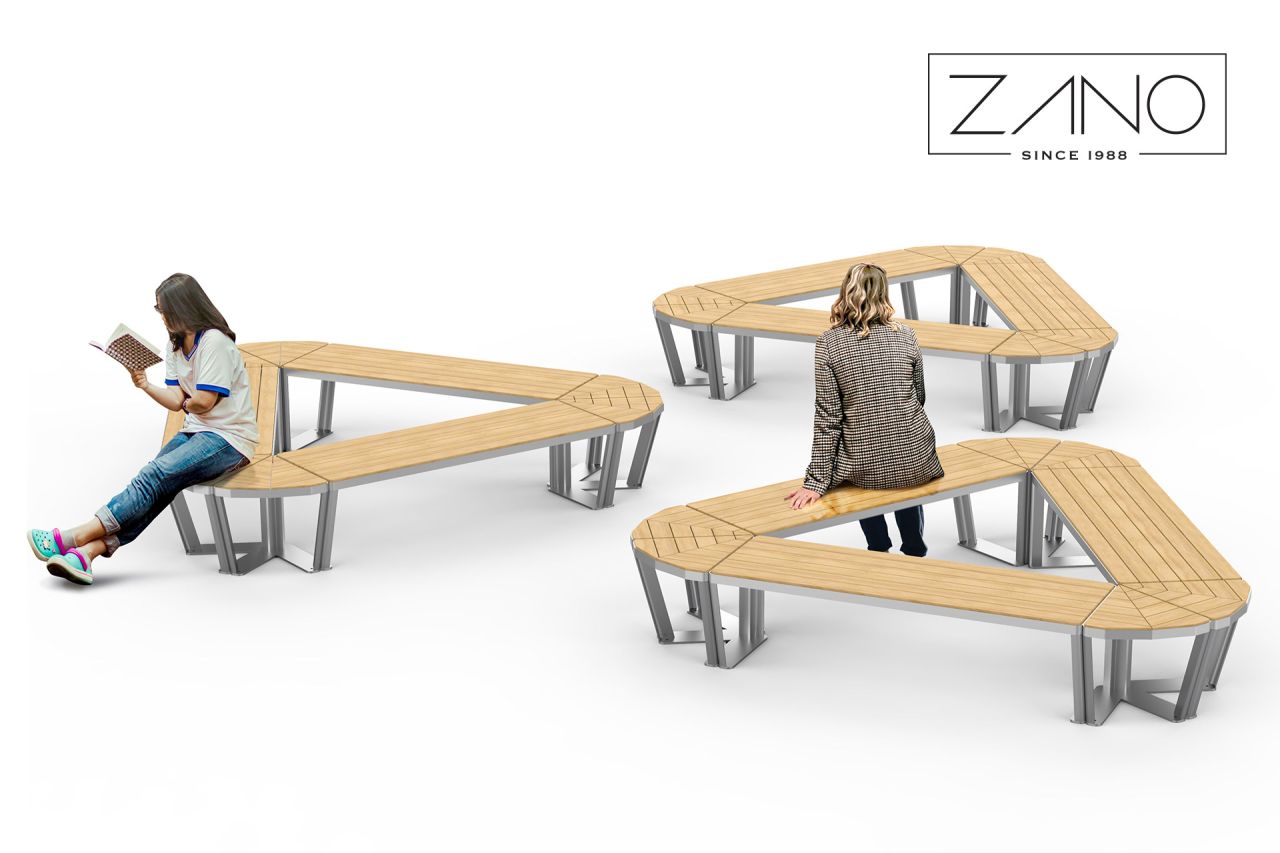
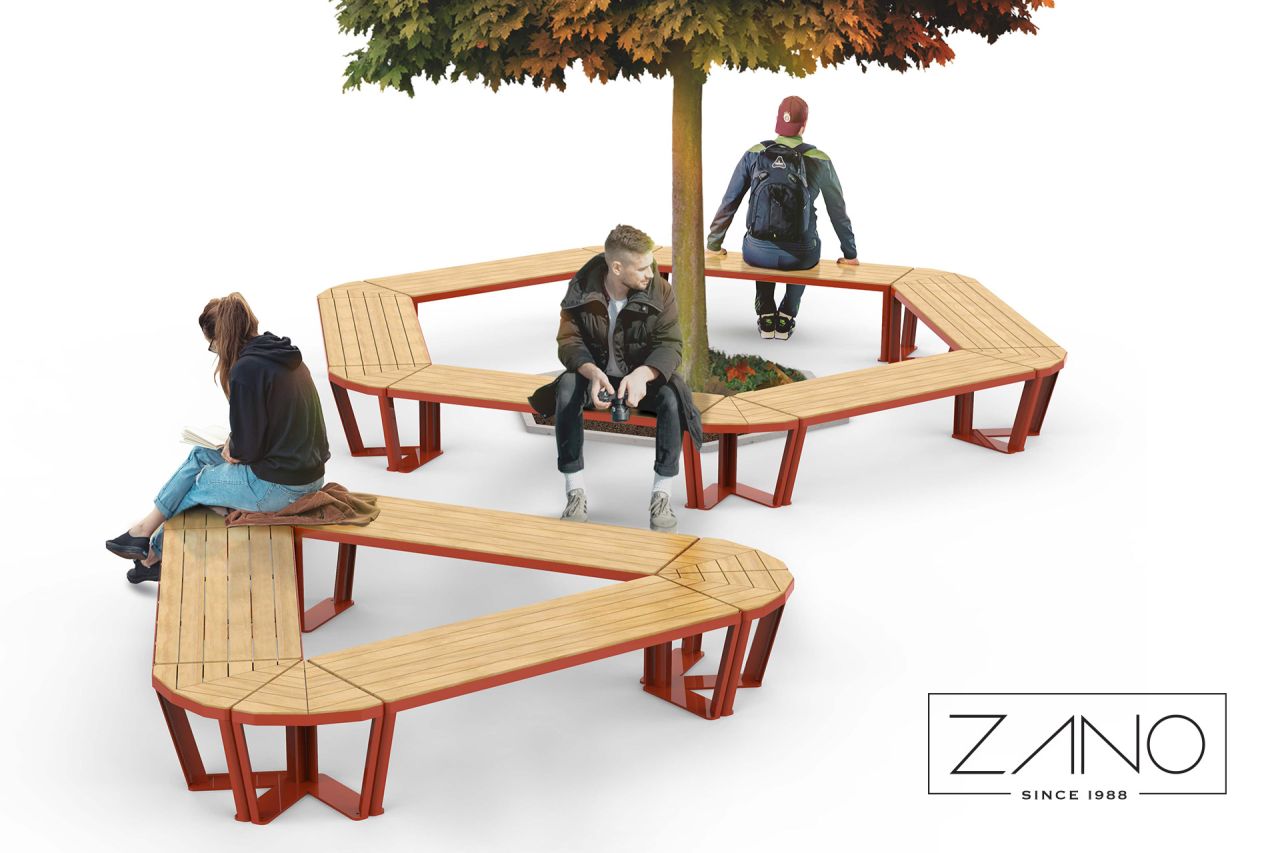
This modular system allows for seamless integration into various landscape designs, effectively balancing functionality with modern industrial aesthetics. The Scandik Seat 60° functions as a standalone piece or can be combined with other modular elements to form larger, cohesive seating clusters. By combining high-grade materials such as domestic coniferous or exotic woods like iroko, sapeli, meranti, and tauari, with precision-engineered steel frames, the product meets the rigorous demands of modern street furniture applications. Its clean, geometric form enhances the visual landscape without dominating it, making it an ideal choice for urban planners and architects focused on creating inclusive and durable communal spaces.