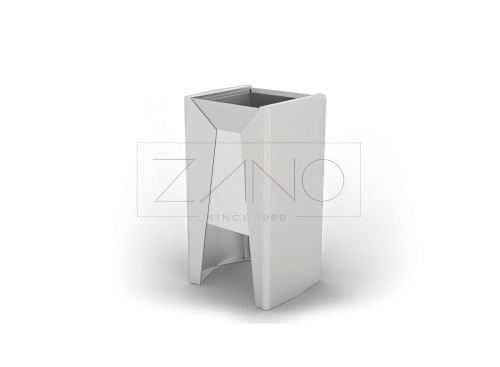
Litter Bins
no ashtray
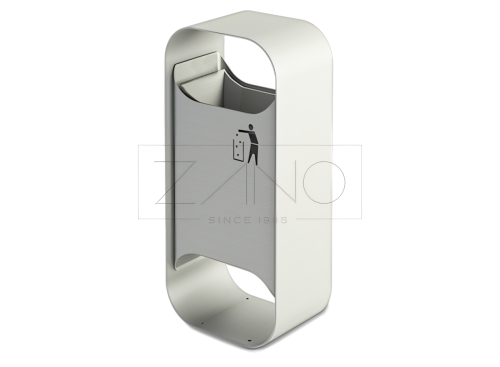
Clipo Litter Bin
03.064
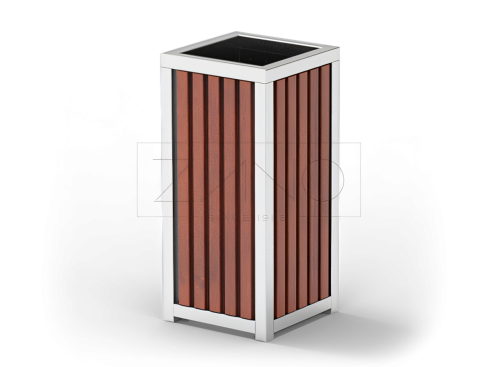
Altus Litter Bin
03.052
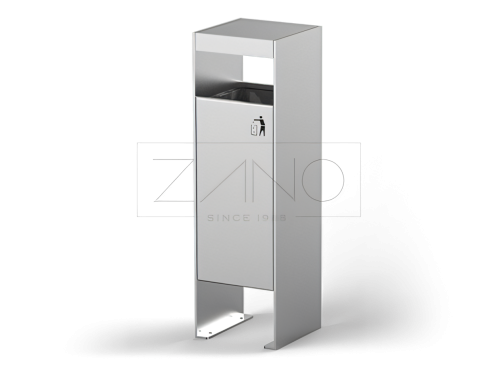
Simple Litter Bin
03.061
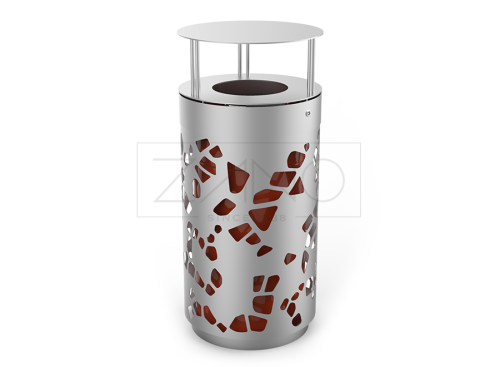
Kosz Tubus
03.053.9
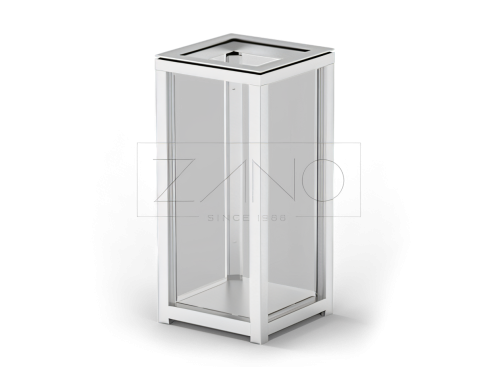
Anti-terrorist Safety Transparent Dustbin
03.052.4
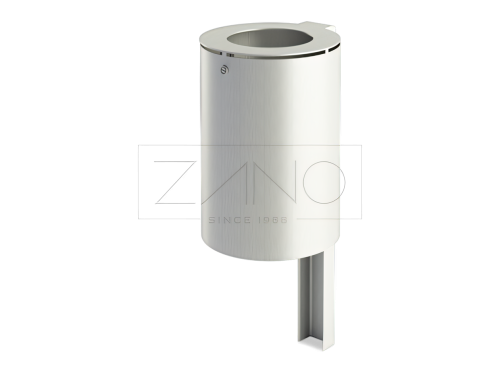
Aries Litter Bin
03.065
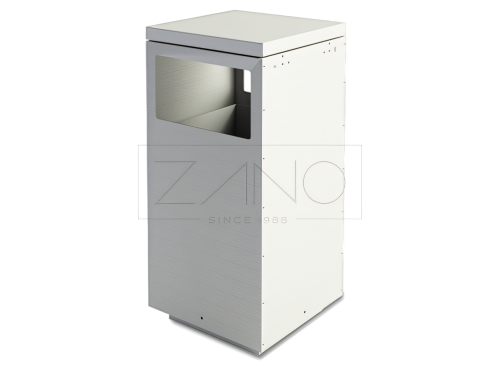
Mimesis Litter Bin
03.062
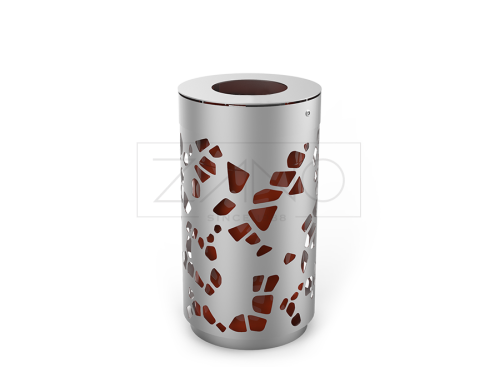
Tubus litter bin
03.053.2
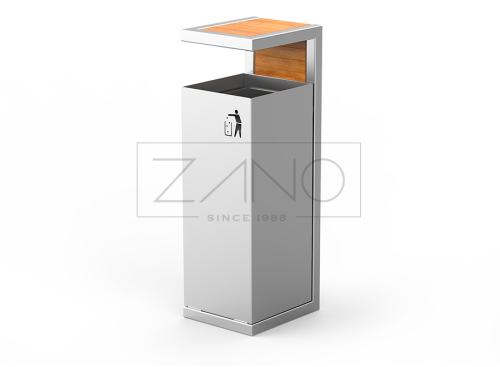
Pavo Litter Bin
03.063.1
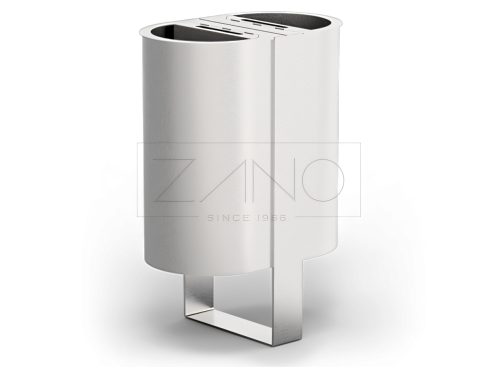
Double litter bin with ashtray
03.244.1
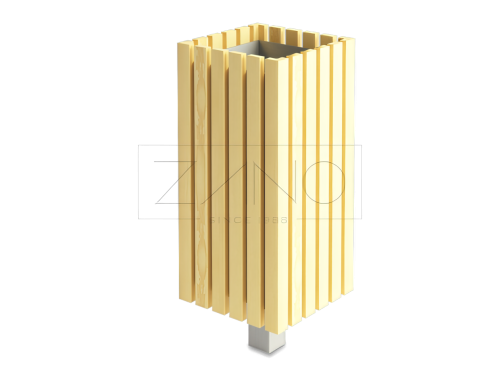
Onis Litter Bin
03.058
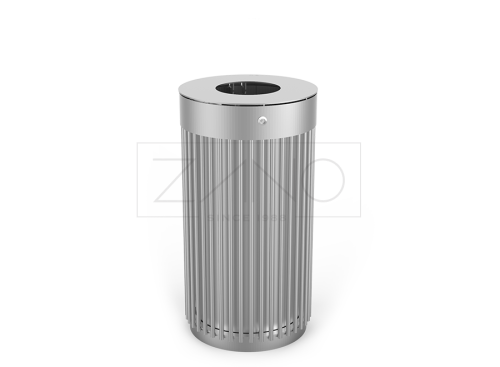
Tubus Litter Bin
03.053
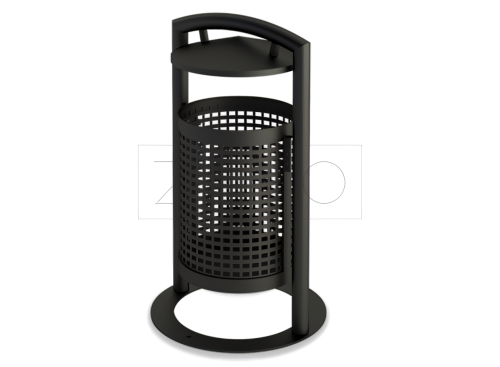
Revo Litter Bin
03.038
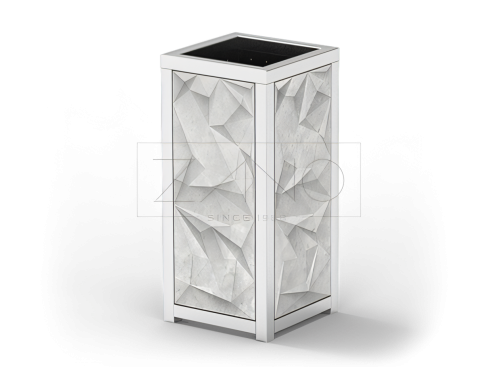
Trigono Litter Bin
03.070
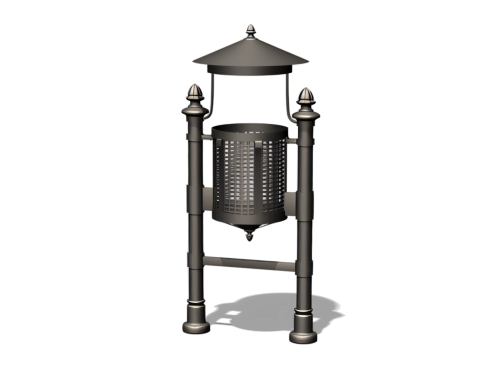
Litter Bin Royal
03.033
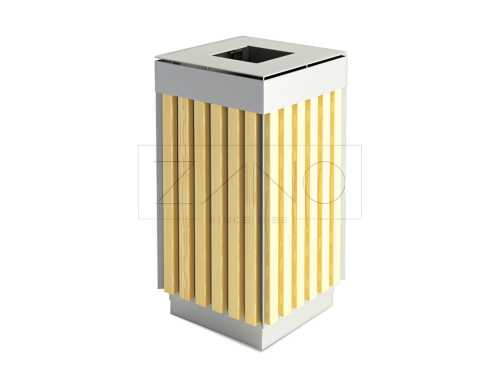
Argo Litter Bin
03.066
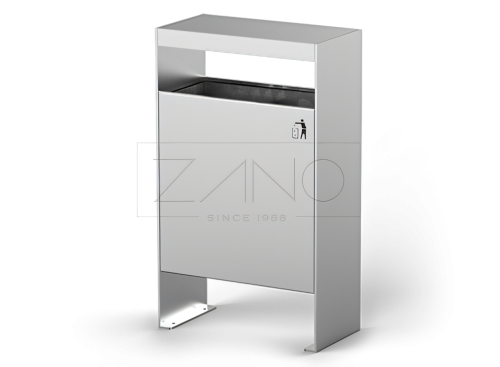
Litter bin Simple
03.261
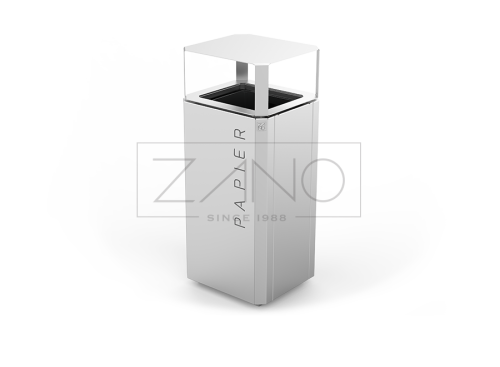
Stilo Litter Bin
03.048.1
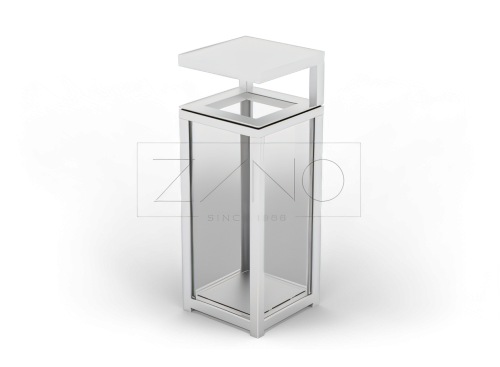
Anti-terrorist Safety Transparent Dustbin
03.052.5
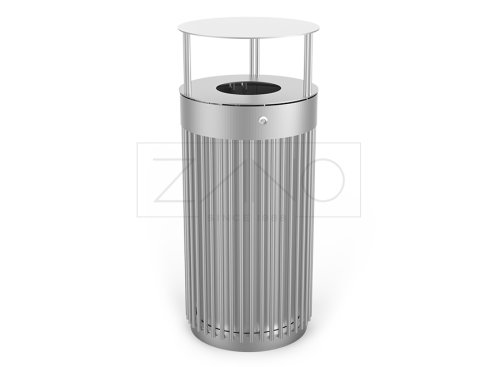
Tubus Litter Bin
03.053.3
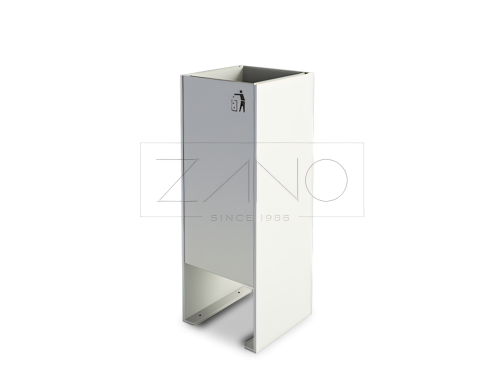
Simple Litter Bin
03.060
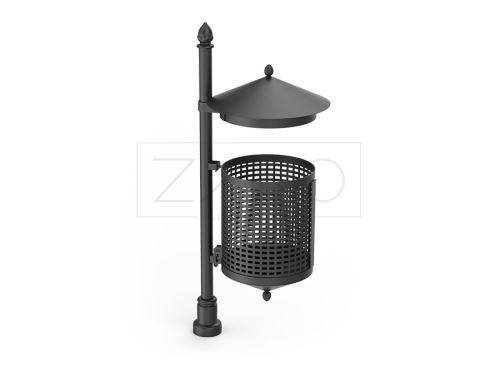
Litter Bin Tino
03.034
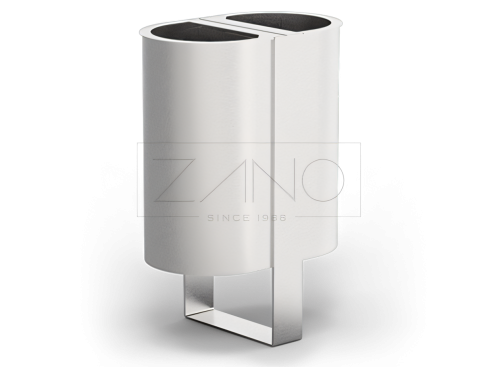
Double litter bin Start
03.244
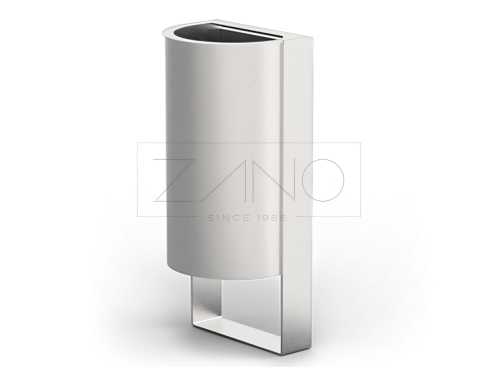
Start Litter Bin
03.044
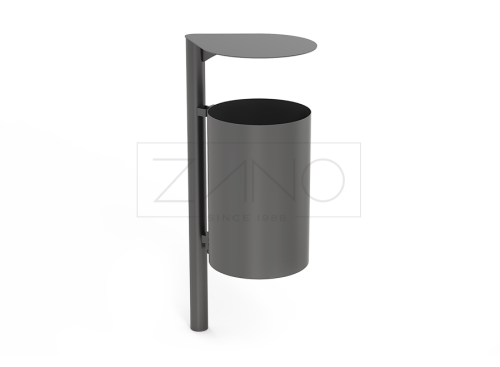
Porto Litter bin
03.093
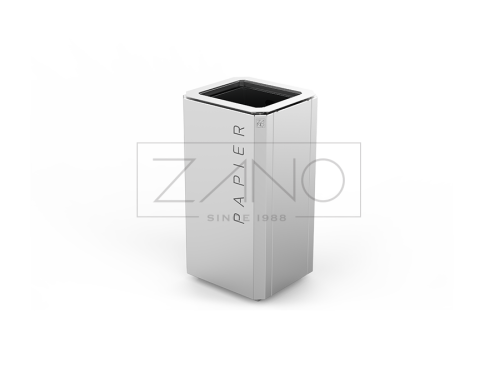
Stilo Litter Bin
03.048
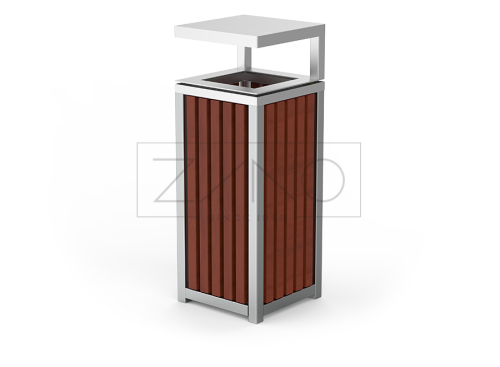
Altus Litter Bin
03.052.7
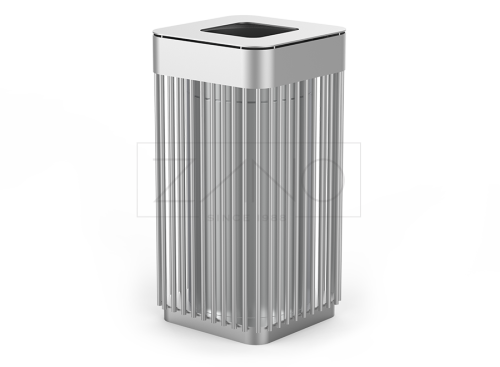
Calypso litter bin
03.051
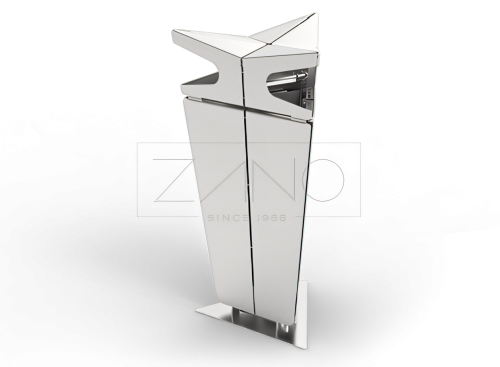
Jester litter bin
03.059
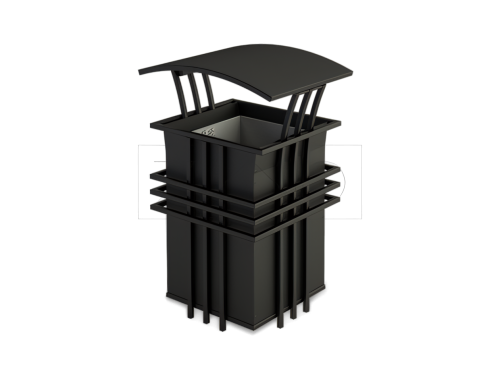
Art Nouveau Litter Bin
03.040
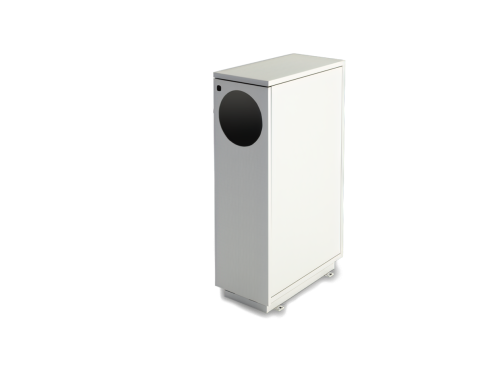
Norvik Litter bin
03.067
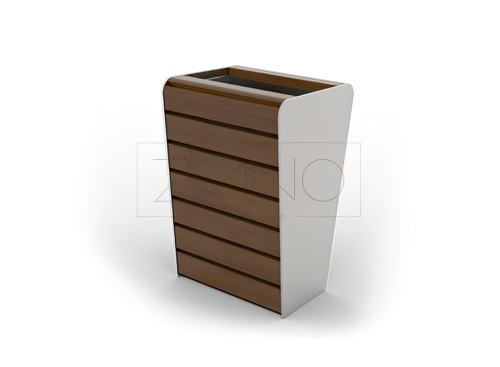
Soft litter bin
03.012
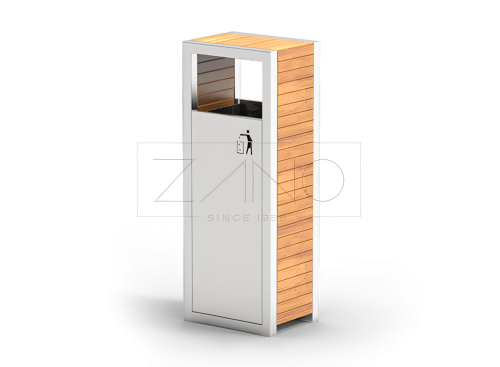
Pavo Litter Bin
03.063
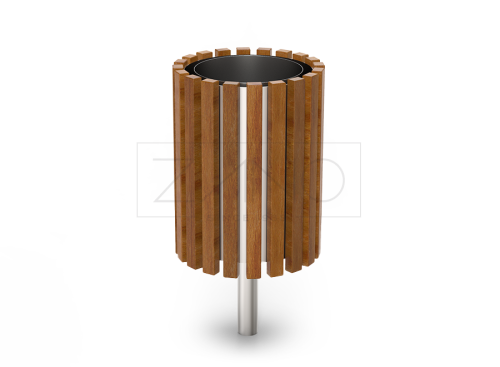
Mico Litter Bin
03.057
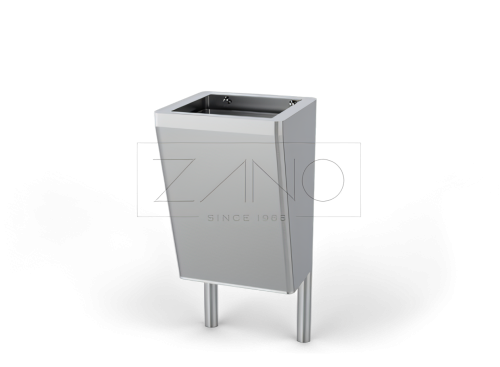
Litter bin Scandik
03.046
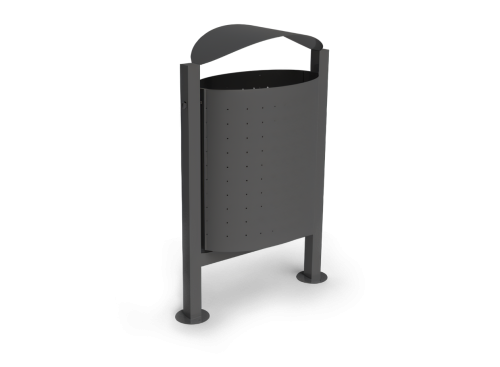
Vela Litter Bin
03.094
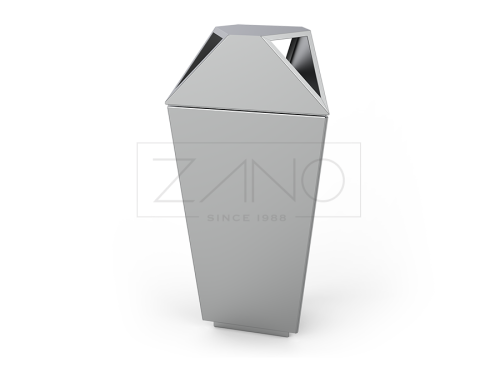
IVO litter bin
03.045
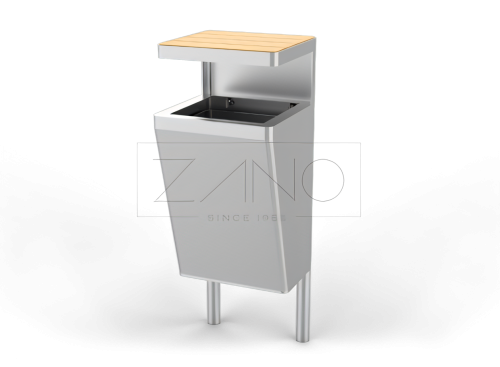
Litter bin Scandik
03.046.1
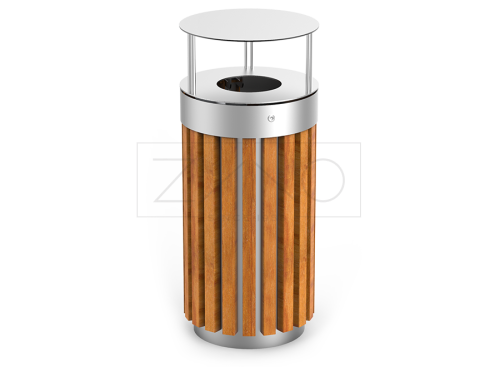
Tubus litter bin
03.053.6
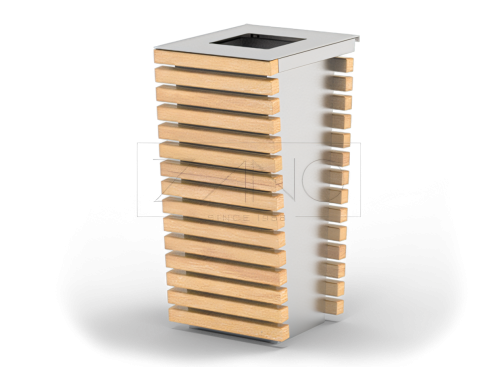
Flash Litter Bin
03.025
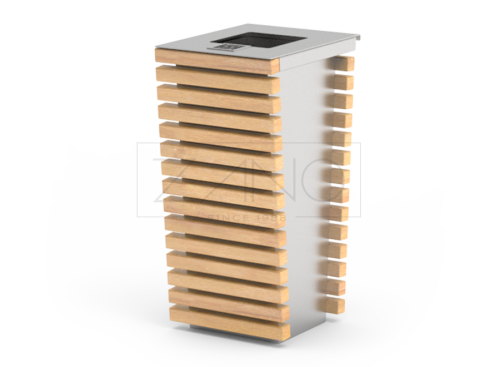
Litter bin with ashtray Flash
03.025.1
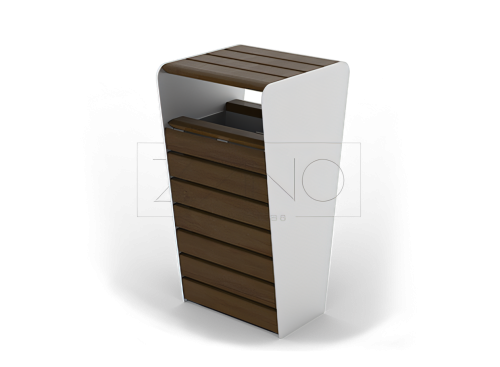
Litter Bin Soft
03.012.1
Litter bins are an essential component of street furniture, contributing to the cleanliness and aesthetic appeal of urban landscapes. Designed for public spaces such as streets, parks, and commercial areas, these bins help in effectively managing waste, thereby promoting a cleaner environment. Litter bins without ashtrays are specifically created to cater to general waste disposal needs, distinguishing them from those designed for smokers.
The design of these bins typically focuses on durability and functionality. Made from robust materials like stainless steel, galvanised steel, or recycled plastic, they are built to withstand the elements as well as the wear and tear of daily use in public spaces. These materials not only offer longevity but also provide ease of maintenance, which is crucial in busy urban environments.
Furthermore, the aesthetic aspect of litter bins is not overlooked. Manufacturers often offer a variety of finishes and colours to ensure that these functional units blend seamlessly into different urban settings, from modern commercial districts to more traditional park environments. The flexibility in design also allows for the incorporation of city logos or advertising, serving dual purposes for municipal branding or revenue generation.
In terms of usability, litter bins without ashtrays are designed to be user-friendly. They often feature large openings to accommodate waste of various sizes, reducing spillage and encouraging use. Some models are equipped with sack retention systems or internal containers to facilitate easy and hygienic waste removal. This feature is particularly important in ensuring that the cleaning process is quick and does not contribute to environmental pollution.
Security and safety features are also integral to the design of these bins. Many are fitted with lockable lids or tamper-proof designs to prevent vandalism and unauthorized access. This is especially important in high-traffic areas where the risk of tampering or theft is elevated. Additionally, the stability and placement of the bins are carefully considered to prevent tipping and to ensure accessibility for all users, including those with disabilities.
Environmental considerations are also at the forefront of litter bin design. Many models are now designed to be environmentally friendly, incorporating recycled materials and being fully recyclable at the end of their lifespan. This not only helps in reducing the carbon footprint associated with the production of new bins but also aligns with broader environmental goals of waste reduction and sustainability in urban planning.
In conclusion, litter bins without ashtrays are a fundamental element of street and urban furniture, designed to meet the waste disposal needs of the public while enhancing the cleanliness and visual appeal of communal spaces. Their robust construction, ease of maintenance, user-friendly features, and environmentally conscious designs make them a practical and responsible choice for cities aiming to maintain and improve their public areas.