
Bicycle zone
Bicycle repair stations

Kangu bike wash station
18.004.4

Kangu Bicycle repair station
18.004.2

Kangu bike repair station
18.004.3
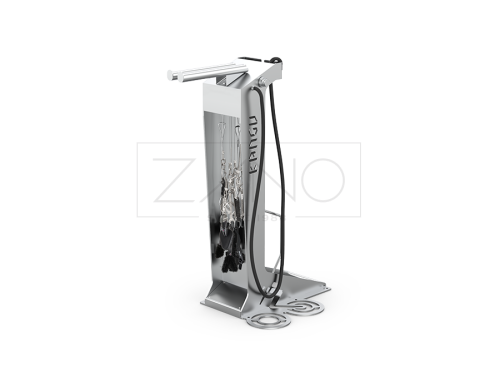
Kangu bicycle wash and repair station
18.004.5
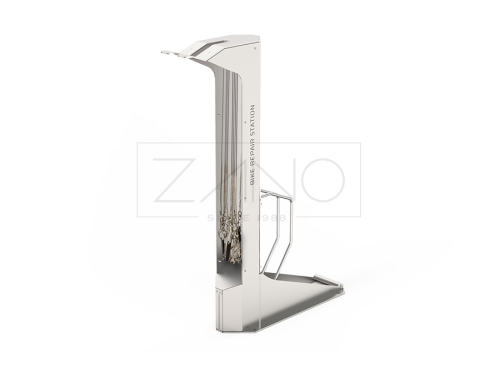
Repair station for Stilo bicycles
18.048.1

Kangu bike repair station
18.004

Kangu bicycle repair station
18.004.1

Kangu bicycle washing and repair station
18.004.7
Bicycle zones and repair stations have become essential components of urban infrastructure, reflecting the growing trend of eco-friendly transportation methods in cities worldwide. These facilities play a crucial role in promoting cycling by providing the necessary support and resources cyclists need, thus contributing significantly to the sustainability and convenience of urban transportation.
Bicycle zones are designated areas within urban or recreational areas explicitly tailored to meet the needs of cyclists. These zones are often equipped with various types of bicycle racks or stands, allowing for secure and convenient parking. The design of such zones takes into account the spatial dynamics of the area, ensuring that they complement other street furniture and do not impede pedestrian or vehicular traffic. Advanced planning in the layout of bicycle zones includes accessibility for all users, ample spacing, and often, incorporation of additional features such as signage or integrated landscaping. These areas not only support daily commuters but also enhance the functionality of public spaces by encouraging an active lifestyle and providing a hub for community interaction.
Bicycle repair stations are another pivotal element of cycling infrastructure, offering cyclists quick and easy access to tools for routine maintenance or minor repairs. These stations typically feature a robust stand to hold the bicycle securely while repairs are carried out, along with a variety of tools securely attached to the station, such as screwdrivers, wrenches, and tire levers. Advanced models might also include air pumps and gauges to ensure proper tire pressure. Positioned strategically in areas with high cycling traffic, these repair stations are invaluable for both regular commuters and recreational cyclists. They ensure that minor mechanical issues can be promptly addressed, thereby reducing downtime and enhancing the overall cycling experience.
The integration of bicycle zones and bicycle repair stations into urban landscapes not only facilitates the practical aspects of cycling but also communicates a strong message about a city's commitment to sustainable transport solutions. These installations are usually crafted from durable materials capable of withstanding various weather conditions, emphasizing functionality without compromising on aesthetics. The design often incorporates elements of modern urban decor, making these stations both a visual and practical addition to city streets, parks, and public areas.
Efforts to expand and integrate such cycling facilities can significantly impact urban mobility patterns, encouraging more residents to consider cycling as a viable and appealing option for transportation. By enhancing cyclist infrastructure, cities can enjoy decreased traffic congestion, improved air quality, and a more active, health-conscious population. As cities continue to evolve, the importance of well-designed bicycle zones and repair stations will undoubtedly grow, marking them as critical elements of modern urban planning.