
Bicycle zone
bikers rest
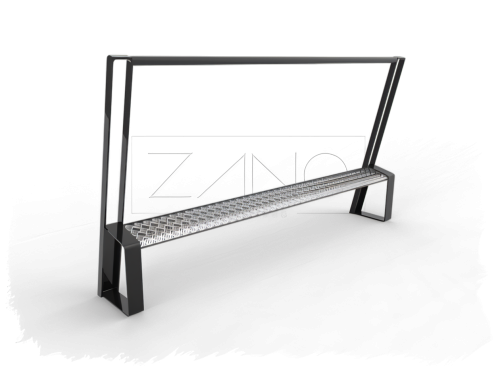

Bicycle zones designed for bikers' rest are essential components of modern urban landscapes, enhancing both functionality and aesthetics in public spaces. These zones are strategically placed to provide cyclists with a convenient and comfortable area to rest, repair their bicycles, or socialise with fellow bikers. Incorporating elements such as bike racks, seating, and repair stations, these areas are thoughtfully designed to meet the needs of the cycling community.
At the heart of the bikers' rest zone is the provision of secure bicycle parking. Well-engineered bike racks are vital, preventing theft and damage while accommodating bicycles of various sizes and types. These racks are typically made from robust materials like stainless steel or reinforced plastic, ensuring durability and resistance against weather elements and vandalism.
Seating solutions in bikers' rest zones offer cyclists a place to relax and recuperate. Benches and seats are ergonomically designed for comfort and are placed in locations that favour social interaction among users. Materials used for seating often include wood, metal, or recycled composites, balancing eco-friendliness with functional design and comfort.
For maintenance and minor repairs, these zones are equipped with public bike repair stations. These stations typically include tools such as wrenches, pumps, and screwdrivers, securely attached to the station to prevent theft. Such facilities empower cyclists to perform basic repairs and adjustments, enhancing their cycling experience by reducing downtime due to mechanical issues.
Lighting within bikers' rest zones is another crucial element, providing safety and visibility during darker hours. Energy-efficient LED lighting systems can be used to illuminate the area effectively without contributing significantly to energy consumption. Thoughtful placement of lights ensures that cyclists can use the facilities at any time, thus increasing the usability of the rest zones.
Landscaping around bikers' rest zones contributes to the aesthetic appeal and can offer environmental benefits. The use of native plants, flowers, and shrubs not only beautifies the space but also supports local biodiversity. Green spaces can create a more inviting atmosphere, encouraging cyclists and pedestrians to use these facilities more frequently.
In conclusion, bikers' rest zones are pivotal in promoting cycling as a sustainable mode of transport, providing cyclists with necessary amenities and enhancing their overall experience. By integrating secure bike storage, comfortable seating, repair facilities, sufficient lighting, and attractive landscaping, these zones cater comprehensively to the needs of the biking community. Their strategic implementation can significantly influence urban mobility patterns, leading to healthier, more active lifestyles and a reduction in urban traffic congestion. These zones demonstrate an commitment to environmentally friendly transportation options, reinforcing the city's dedication to sustainability and support for its cycling community.