Benches
chairs

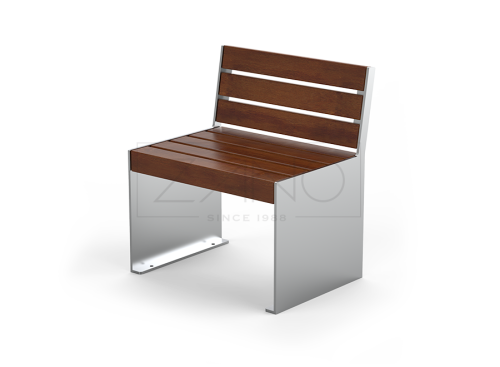
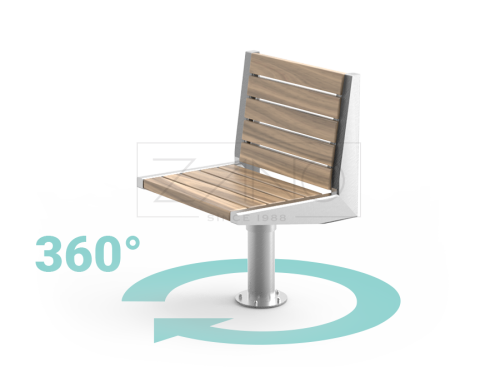
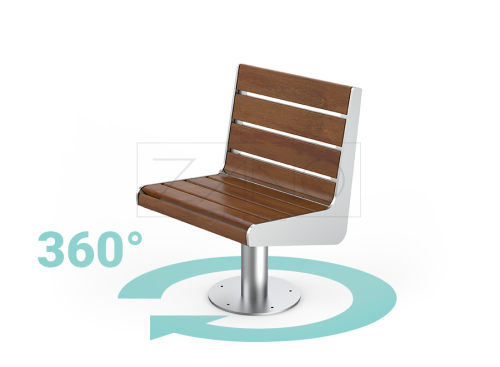
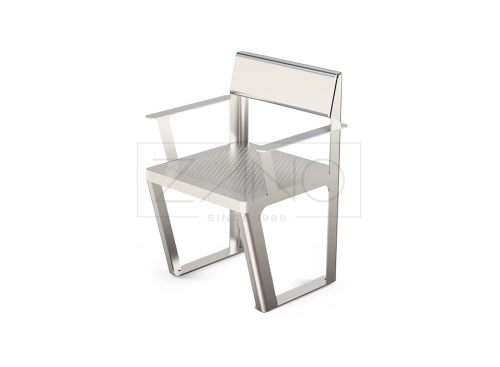
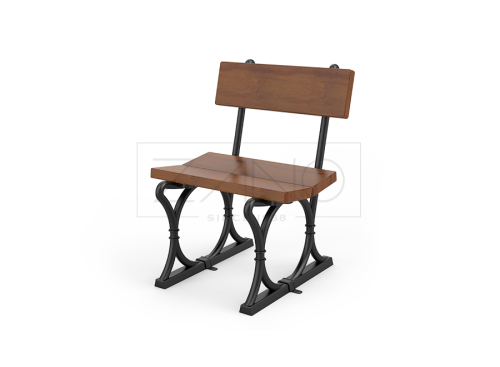
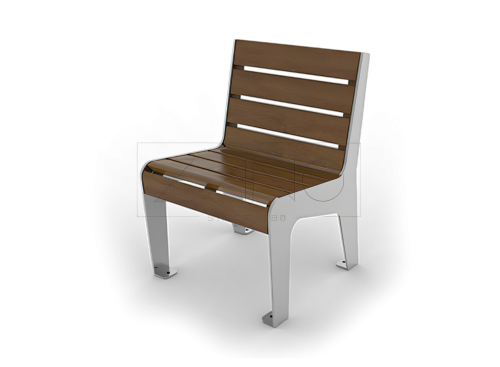
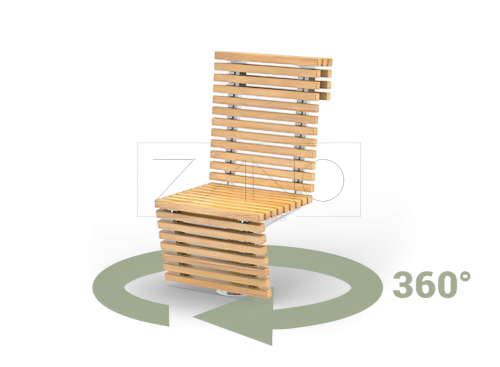
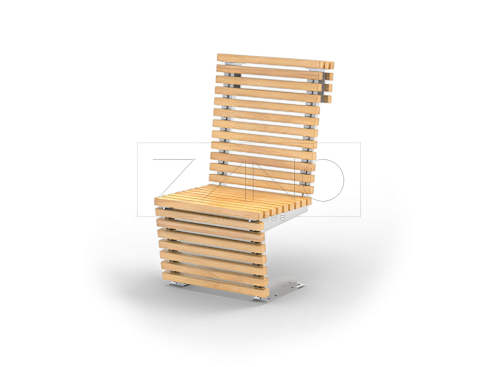
The product category of benches represents a key element in the realm of street furniture, providing both aesthetic charm and functional seating solutions in public spaces. These seating options are carefully crafted to withstand environmental elements while offering comfort and promoting communal interaction in urban settings. The designs cater to a wide array of architectural styles and urban landscapes, ensuring seamless integration into public areas, parks, and communal gathering spaces.
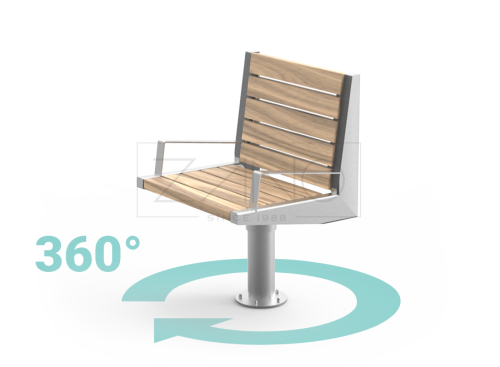
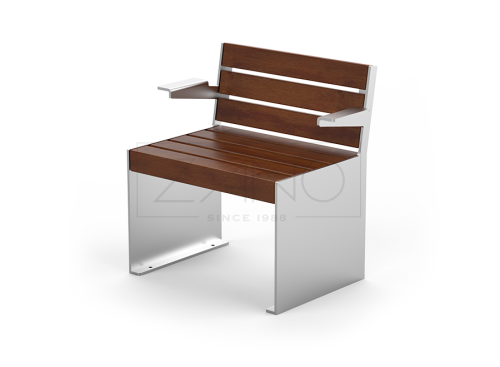
Benches chairs, specifically, combine the traditional aspects of benches with the added comfort typically associated with chairs. This hybrid seating solution typically features a backrest and armrests, enhancing the ergonomic support not always present in standard benches. The incorporation of these features makes benches chairs particularly appealing in settings where individuals are expected to sit for extended periods, such as public gardens, bus stops, or city squares.
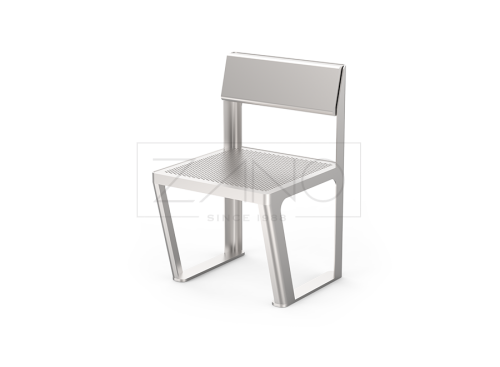
Materials used in the construction of bench chairs are selected for their durability and resilience against wear and tear. Common materials include treated woods, which are resistant to rot and insect damage, heavy-duty plastics, recycled composites, and metals such as stainless steel and cast iron, often protected with a powder coating to prevent rust and corrosion. The choice of material not only affects the longevity of the bench chair but also influences its overall appearance and ease of maintenance.
The design of bench chairs often reflects contemporary or classic styles, with attention to detail that can enhance the visual appeal of the space they occupy. From sleek, modern lines that complement urban environments to ornate, classic designs that add a touch of elegance to traditional parks, the style of a bench chair can significantly impact the ambiance of its surroundings.
Functionality is also a critical aspect of bench chair design. Many models are equipped with features like resistance to UV light, water drainages to avoid water pooling, and anti-vandalism constructions to ensure longevity. Additionally, some bench chairs are designed for modular setups, allowing for easy configuration adjustments that suit specific spatial requirements or personal preferences in seating arrangements.
Sustainability in the production of benches chairs is increasingly important. Many manufacturers prioritize eco-friendly practices, including the use of sustainably sourced materials and manufacturing processes that minimize environmental impact. This approach not only appeals to environmentally conscious consumers but also aligns with global efforts towards more sustainable urban development.
In conclusion, bench chairs serve as a vital component of street and urban furniture, offering a blend of functionality, comfort, durability, and style. They enhance public spaces by providing reliable seating options that cater to a diverse range of needs and preferences, reflecting both utility and aesthetic value in the structure of modern cities. Whether for brief rests or prolonged seating, bench chairs are designed to meet the demands of public life, making them a ubiquitous and essential feature in landscape architecture and urban planning.