Benches
single-seats
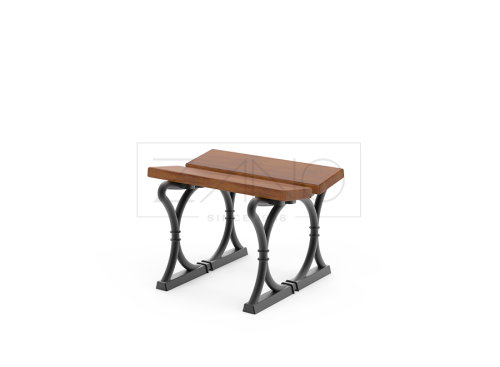

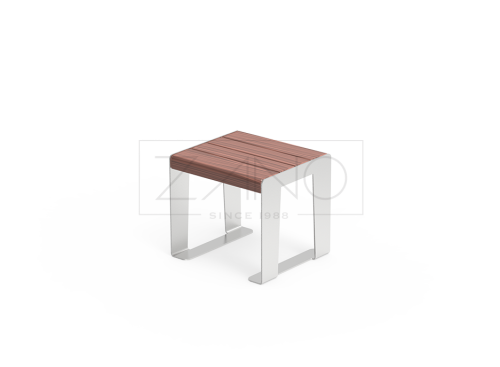


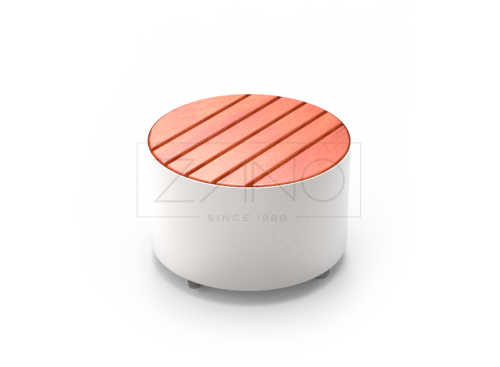

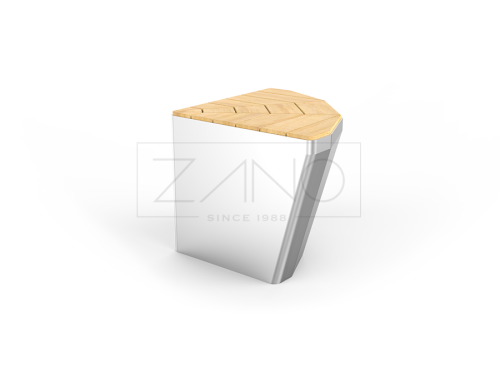
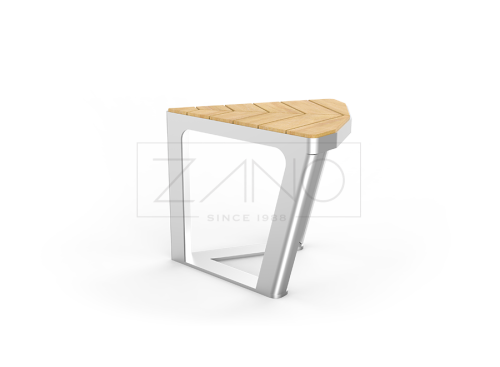


Single-seat benches exemplify a blend of functionality and aesthetic appeal, serving as an essential component of street furniture tailored to modern urban landscapes. These compact seating solutions are strategically designed to accommodate the limited space available in bustling city areas while providing necessary rest points for pedestrians. Enabling designers and city planners to integrate seating into various outdoor settings, single-seat benches can be spotted in parks, along walkways, in transit areas, and as part of larger urban redevelopment projects.
Crafted from a variety of durable materials such as stainless steel, hardwood, and reinforced concrete, these benches are built to withstand harsh weather conditions and high usage levels, ensuring longevity and ease of maintenance. The choice of materials not only contributes to the bench's robustness but also enhances its ability to blend with different architectural styles, from contemporary to traditional. Furthermore, these materials are often chosen with sustainability in mind, contributing to environmentally friendly building practices which are increasingly important in urban planning.
Design-wise, single-seat benches offer a wide array of styles. From sleek, minimalist designs that cater to modern aesthetics to more elaborate, ornate options which echo classical architecture, there is a single-seat bench to suit any landscape or public area. This versatility is crucial in street furniture, as it must complement its surroundings while fulfilling its primary purpose.
Ergonomics play a crucial role in the design of single-seat benches, with attention given to the height, seating angle, and overall comfort of the bench. This user-centric approach ensures that these benches are not only practical but also provide comfort for a variety of users, regardless of their age or physical ability. Additionally, the compact size of single-seat benches makes them an ideal option for areas where space is at a premium, allowing for the inclusion of seating without cluttering the environment.
Installation of single-seat benches is designed to be as straightforward as possible, allowing for quick and secure placement in a variety of ground settings, from concrete pavements to grassy areas. This ease of installation is complemented by their low maintenance needs, making them a popular choice for urban areas that require reliable and cost-effective street furniture solutions.
In terms of customization, manufacturers offer numerous options to tailor single-seat benches according to specific project requirements. Colour choices, wood stains, metal finishes, and even the incorporation of plaques or engravings are available, making each bench a unique addition to its location. This level of customization enables city planners and designers to implement cohesive and integrated urban design elements that resonate with the local community spirit.
In summary, single-seat benches play a pivotal role in the configuration of street and urban furniture. Their functional and aesthetic qualities make them indispensable in the design of accessible, comfortable, and attractive public spaces. By integrating these versatile pieces into various settings, urban areas become more engaging and user-friendly, enhancing the overall quality of life for residents and visitors alike.