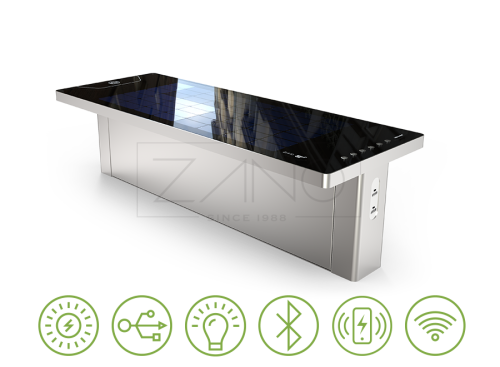
Benches
solar
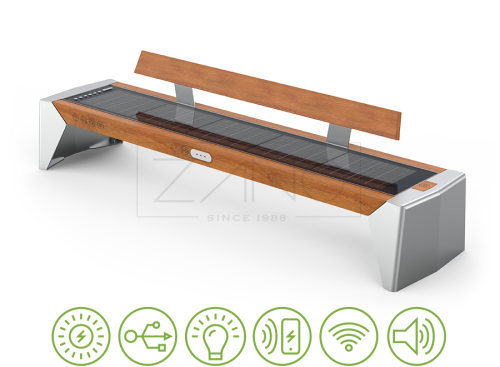
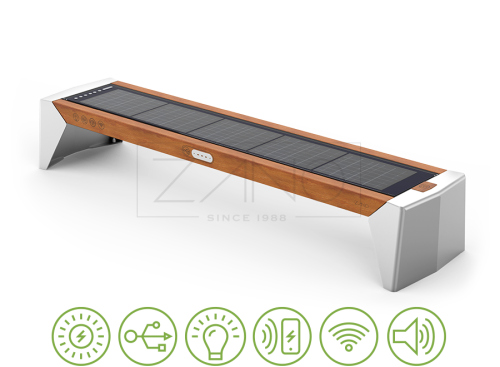
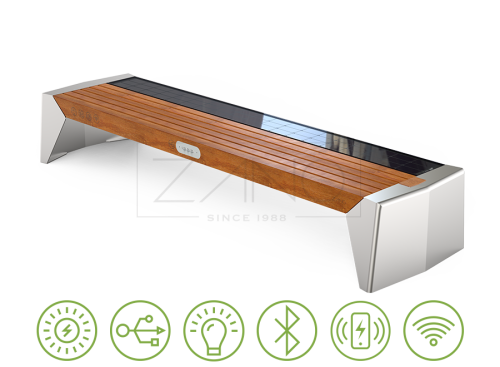
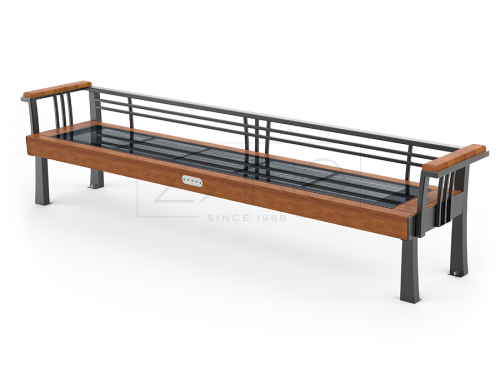
Solar benches are an innovative addition to the realm of street furniture, integrating technology with functionality to enhance urban landscapes. These benches are not only designed to offer a resting place but are equipped with solar panels that harness solar energy. This energy is used to power various functions such as LED lighting, USB charging ports, and Wi-Fi connectivity, providing both convenience and utility to users.
The design of solar benches is focused on sustainability and eco-friendliness. The solar panels, typically integrated into the seating area or the backrest, capture solar energy throughout the day. This energy is then stored in durable batteries, usually hidden within the bench itself, ensuring that the various electronic functionalities remain operational even during the night or on cloudy days.
Functionality merges with modern aesthetics in the design of solar benches. These pieces of urban furniture are crafted to complement contemporary urban spaces, from parks and public gardens to bus stops and outside corporate buildings. The inclusion of LED lighting not only adds an element of safety by illuminating dark areas but also enhances the ambiance of the surroundings.
Solar benches are constructed using materials that ensure longevity and resistance to various weather conditions. High-quality metals, treated woods, or reinforced plastics are commonly used, all known for their durability and minimal maintenance requirements. This makes solar benches a practical choice for public spaces, where longevity and resilience are paramount.
Installation of solar benches is straightforward, with most models designed for easy integration into existing environments without the need for extensive modifications. This ease of installation, combined with the low ongoing maintenance needs, makes solar benches an attractive option for city planners and private entities looking to upgrade their outdoor spaces.
The adaptability of solar benches allows them to be customised in terms of colour, material, and additional features, catering to specific aesthetic or functional needs of different environments. Whether the requirement is for a hi-tech look in a modern business district or a more subtle integration in a historical area, solar benches can be tailored accordingly.
In conclusion, solar benches represent a significant advancement in street furniture, offering a blend of sustainability, technology, and design. They not only provide a restful seating option but also contribute to environmental sustainability through the use of renewable energy. With their robust construction and versatile design, solar benches are becoming an essential feature in the planning of smarter, greener urban spaces.